Evaluation of Some Nutrient Elements Contained in Composts of Certain Biodegradable Household Waste
Zran Vanh Eric-Simon*, M. S. Kouakou Lébé. Prisca, Kouakou Yao Urbain, Tano Kouadio, Trokourey Albert, Yao Kouassi Benjamin, Drogui Patrick
DOI: 10.22607/IJACS.2022.1003005
Volume 10, Issue 3 | Pages: 119- 124
Abstract
The aim of our study was to find an alternative to the use of chemical fertilizers which not only degrade the soil but cause global
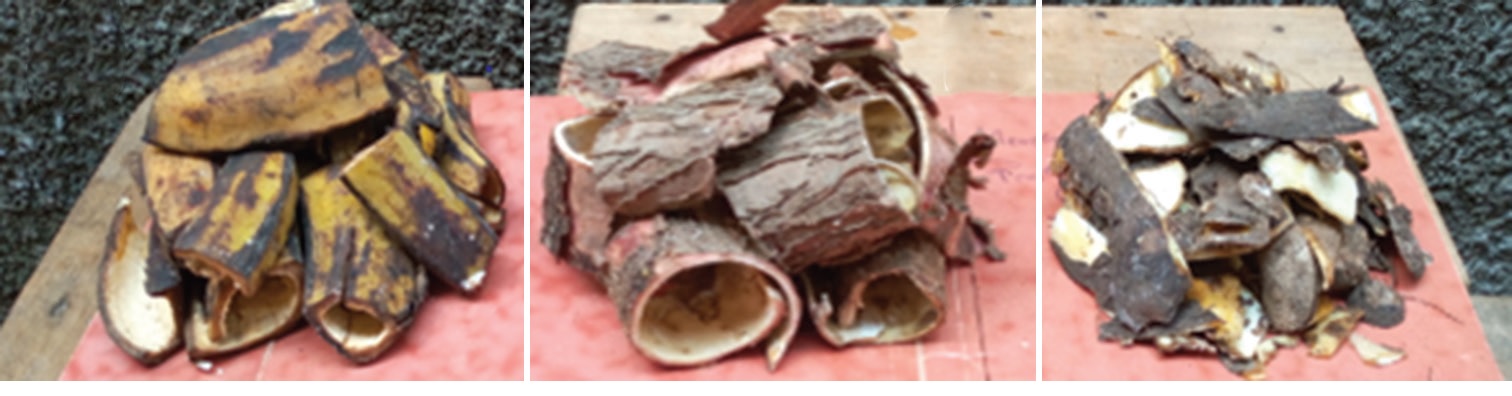
warming. To achieve this, seven composts were made from three domestic waste (plantain peelings, cassava peelings, and yam
peelings at 100% and also their mixtures two to two at 50% then at three 1/3). These different composts were characterized and
their chemical properties were determined and then compared to those of the six others, to the ENPRO compost (made in Togo)
and also to those of the soil from the Akouédo landfill. The analysis of the results of the mineral composition of the composts
showed that the C7 compost is the richest in minerals and has the same amount of nitrogen as the ENPRO compost. It has also
been demonstrated that the compost of crushed plantain peels (C3) used alone or in mixtures with the compost of yam and/
or cassava peels (C5, C6 and C7) mineralizes and rapidly releases nutrients to make them available to plants. These organic
fertilizers (elaborated composts C3, C5, C6, and C7) could, therefore, constitute an alternative to the use of chemical fertilizers
and be recommended to farmers, because they are rich in minerals, accessible, cheap, and easy to produce.
Keywords
Peelings Peels Compost Chemical fertilizers Organic fertilizers.References
No references available for this article.
Citation
Zran Vanh Eric-Simon*, M. S. Kouakou Lébé. Prisca, Kouakou Yao Urbain, Tano Kouadio, Trokourey Albert, Yao Kouassi Benjamin, Drogui Patrick. Evaluation of Some Nutrient Elements Contained in Composts of Certain Biodegradable Household Waste. Indian J. Adv. Chem. Sci. 2022; 10(3):119- 124.