Application of Phytoremediation for Indoor Air Pollution Control: A Review
Samridhi Dwivedi, B. S. V. Prakash, Alfred Lawrence*
DOI: 10.22607/IJACS.2022.1003012
Volume 10, Issue 3 | Pages: 164-167
Abstract
Air pollution irrespective of their source of origin tends to increase in atmosphere. Various air pollutants include volatile organic
compounds, particulate matter, and other persistent organic pollutants. These pollutants pose various health hazards on human
beings including cancer. It has been prominently recognized to cause burden on eco-system and human well-being. However,
some remediation techniques are available in the market yet their high maintenance cost, lesser durability, and complex principals
make them an inappropriate option for air pollution control. Phytoremediation enters as a cost-effective, low-maintenance,
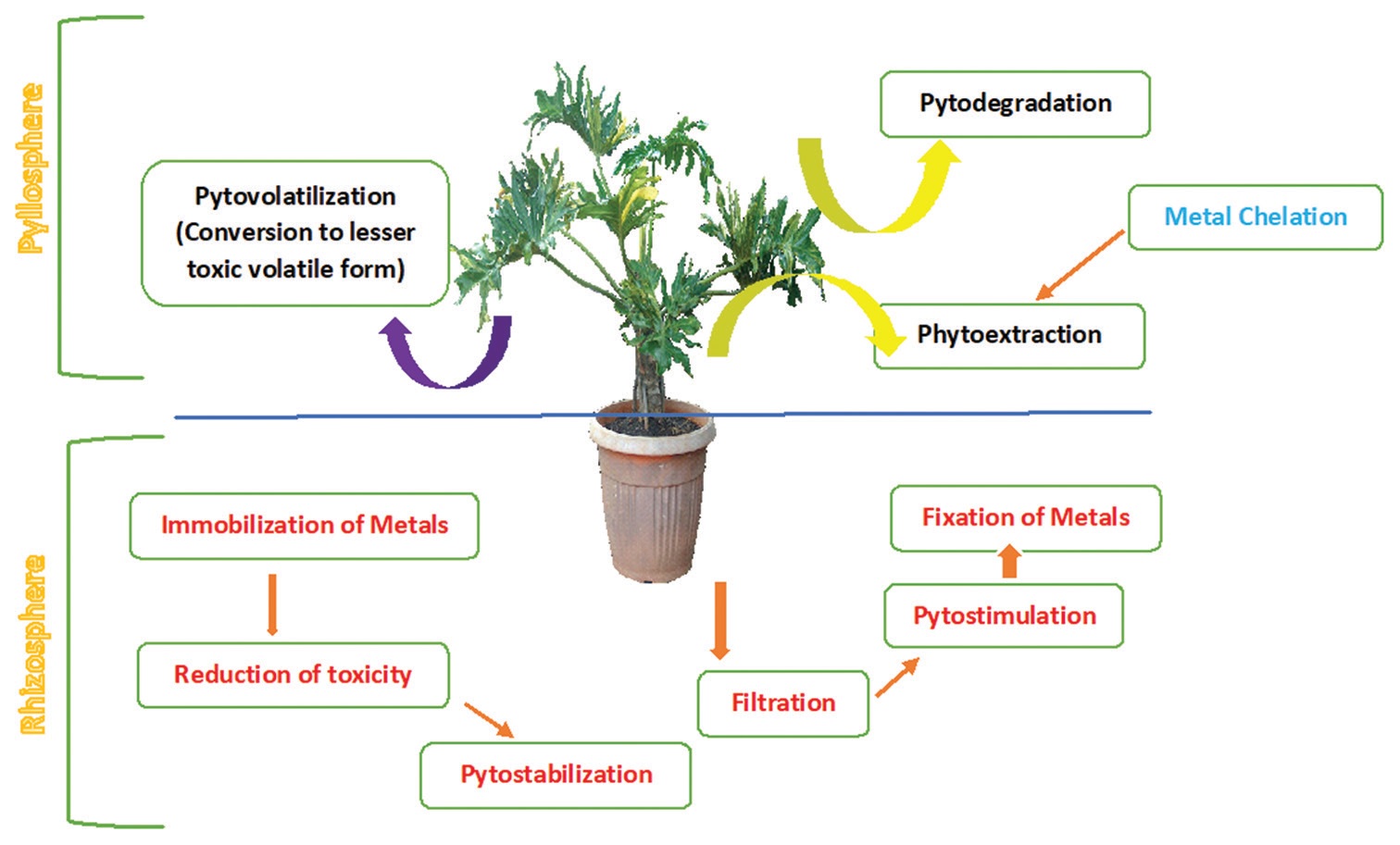
eco-friendly, and energy-saving option. Phytoremediation involves different plant organs for absorption and decomposition of
pollutants. The review presents an overview of the existing technologies of phytoremediation. Furthermore, it highlights the
loopholes in the technologies which may be useful for the researchers in the field to present more promising and effective work
in near future.
Keywords
Air pollution phytoremediation air pollution mitigation volatile organic compounds particulate matterReferences
No references available for this article.
Citation
Samridhi Dwivedi, B. S. V. Prakash, Alfred Lawrence*. Application of Phytoremediation for Indoor Air Pollution Control: A Review. Indian J. Adv. Chem. Sci. 2022; 10(3):164-167.