Development of Microencapsulated Phase Change Material based Comfort Pads for Fighter Aircraft Pilot Helmets
S. Minu*, J. Ganesh, F. Sanal, R. Ramani, R. Indu Shekar, T. M. Kotresh, U. K. Singh
DOI: 10.22607/IJACS.2018.601004
Volume 6, Issue 1 | Pages: 21-25
Abstract
The present study deals with the sustainability of various helmet comfort pads incorporated with microencapsulated phase change
material (MPCM) under simulated extreme hot (+45°C) and extreme cold (−30°C) weather conditions. Thermal management is
one of the important factors in tropical climates wherein the temperature may go beyond 48°C and has a significant influence on
the operations and overall efficiency of the fighter aircraft pilot. Hypothesizing a situation wherein a fighter aircraft pilot may
be exposed to very hot or frigid temperature while ejecting out in tropical or temperate zones, respectively, the extent to which
the comfort pads that is in contact with the scalp of the pilot helps in addressing many issues related to thermal management is
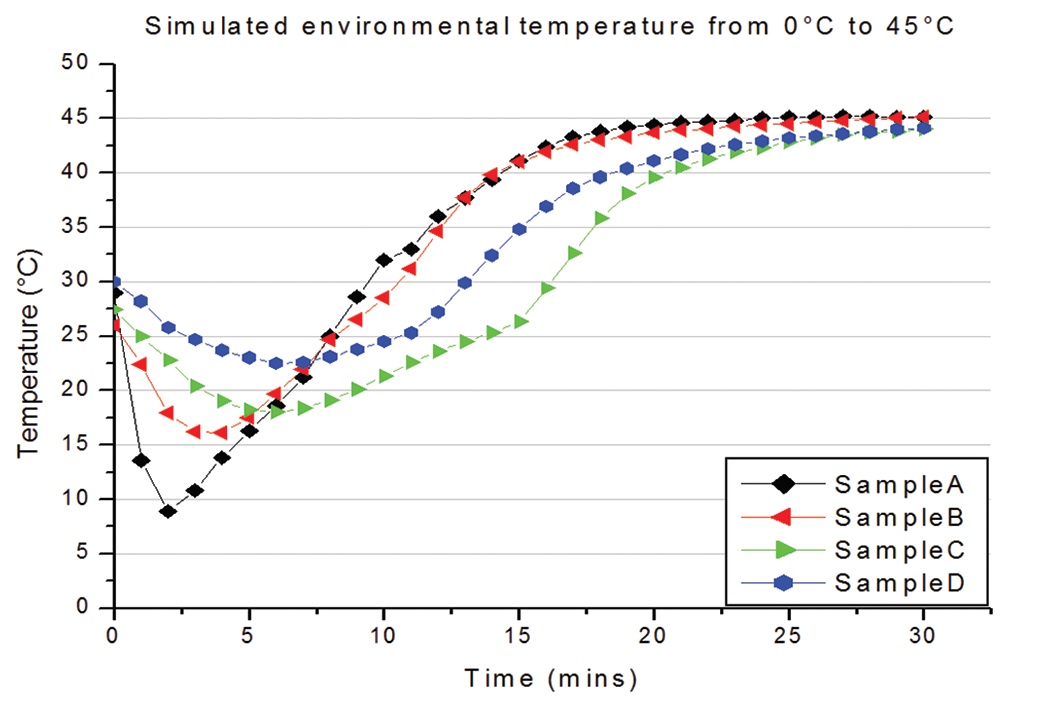
studied. PCM based comfort pads have been found to be effective in bringing down the temperature to the extent of 17–18°C
under dynamic weather condition from 0°C to +45°C. However, the pads have very limited effect beyond sub-zero climatic
conditions. The thermal storage/release properties and sustainability of the MPCM fabric to multiple heating and cooling cycles
were evaluated using differential scanning calorimetry. Based on the results, the comfort pads containing MPCM fabric and
combination of MPCM fabric and MPCM foam is observed to exhibit good thermal stability.
Keywords
Microencapsulated phase change material Comfort pads Thermal management Differential scanning calorimetry Environmental simulation.References
No references available for this article.
Citation
S. Minu*, J. Ganesh, F. Sanal, R. Ramani, R. Indu Shekar, T. M. Kotresh, U. K. Singh. Development of Microencapsulated Phase Change Material based Comfort Pads for Fighter Aircraft Pilot Helmets. Indian J. Adv. Chem. Sci. 2018; 6(1):21-25 .