Potential of Total Polyphenols from Barbatimão against Different Reactive Oxygen/Nitrogen Species
Denise Bilibio, Alfeu Zanotto-Filho, André Simões-Pires, Naira Carniel, José Cláudio Fonseca Moreira, Wagner Luiz Priamo
DOI:
Volume 3, Issue 3 | Pages: 260-267
Abstract
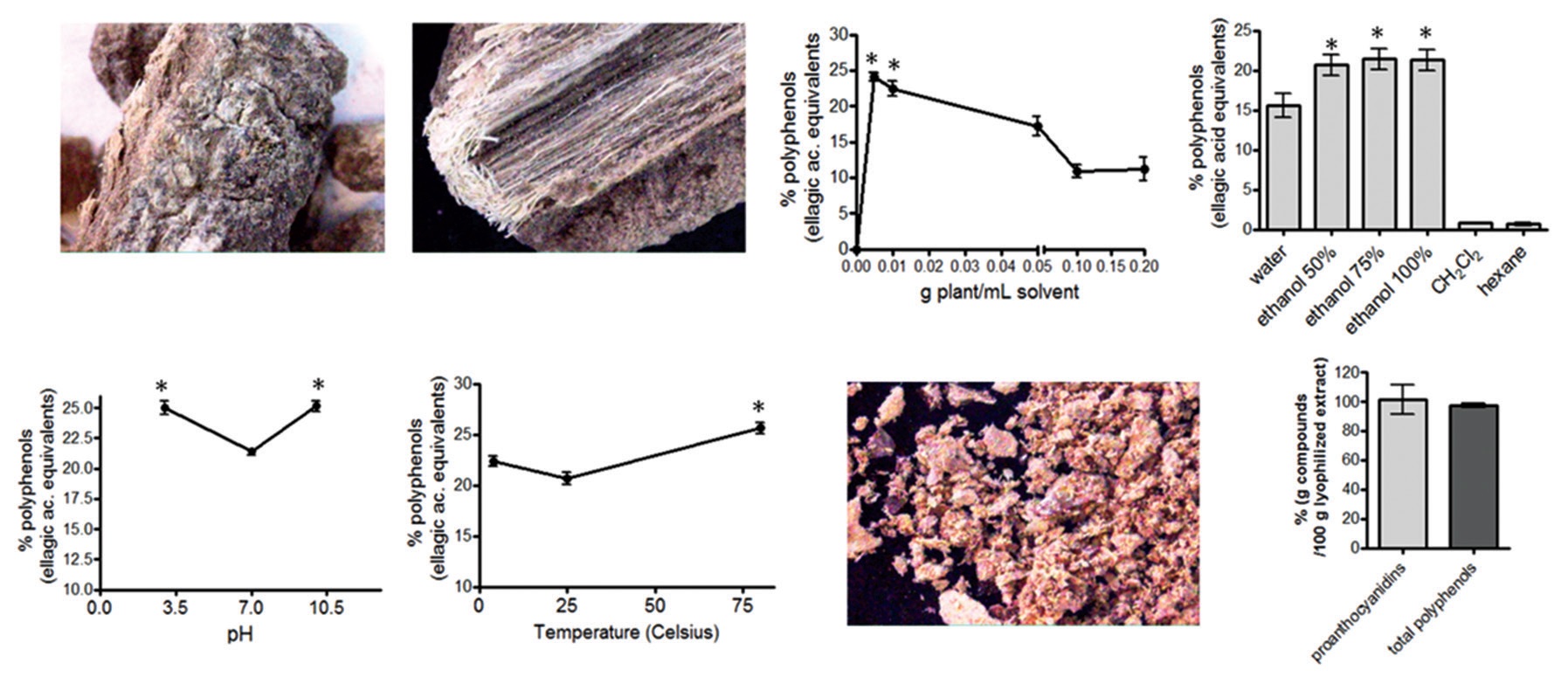
The objective of this study was to obtain the polyphenol fraction from Stryphnodendron adstringens (Mart.)
Coville (Barbatimão) and evaluate their potential effect against different reactive oxygen/nitrogen species. First
was studied the extraction parameters (solvents: water, n-hexane, dichloromethane, anhydrous ethanol and
ethanol/water solutions; pH: 3.0, 7.0 and 10.0 and temperature: 4.0, 25.0 and 80.0°C). Total polyphenols (TPs)
were quantified by Folin-Ciocalteau method while that tannins/proanthocyanidins were determined by Vanillin-
HCl method. Barbatimão presented high percentage of TPs (22±1.1%) in stem bark with a major proportion of
proanthocyanidins (101±9%). The polyphenolic fraction exercised significant effects in scavenging nitric oxide,
peroxyl radical (R-COO), superoxide and hydrogen peroxide (H2O2). In addition, polyphenolic extracts could
prevent the peroxyl radical-induced cell damage in ex-vivo cultured liver slices and inhibited protein cysteine-
SH oxidation. The results show that Barbatimão may be a rich source of polyphenols, mainly tannins, which are
efficiently extracted with low toxicity solvents, neutral pH and room temperatures, having a promising use in food
preservation and human health.
Keywords
Stryphnodendron adstringens Polyphenols Extraction Antioxidants Barbatimão.References
No references available for this article.
Citation
Denise Bilibio, Alfeu Zanotto-Filho, André Simões-Pires, Naira Carniel, José Cláudio Fonseca Moreira, Wagner Luiz Priamo. Potential of Total Polyphenols from Barbatimão against Different Reactive Oxygen/Nitrogen Species. Indian J. Adv. Chem. Sci. 2015; 3(3):260-267.