Deportation of Distillery Melanoidins Using Plant Based Adsorbents, Biosorbents and Microbial Inoculants-A Comparative Assessment
Swabna Vivekanandam, Vasanthy Muthunarayanan*, Karthika Arumugam, Santhiya Mahalingam
DOI:
Volume 2, Issue 3 | Pages: 194-203
Abstract
The comparison of Adsorption and Bioremediation techniques were observed in the present study for the
removal of Melanoidins from the distillery effluent. The bacterial cultures isolated from the sludge were tested
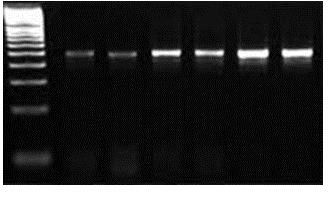
for their decolourization potential. The identification of culturable bacteria by 16S rDNA based approach
showed that the consortium composed of Micrococcus sp., Enterobacter sp., Shigella sp., Alkaligenessp.,
Klebsiella sp.,and Bacillus sp. The degradation studies affirmed up to a maximum of 85 % of decolourization of
melanoidins with the bacterial consortium. The enzymatic activities of catalase determined the reduction by the
microbes were may be purely due to the extracellular enzyme (catalase) that was producedduring the
metabolization of melanoidins by the microbes. The equilibrium adsorption studies using both the type of
adsorbents and biosorbents revealed that the degradation of melanoidins increased with increasing time
intervals. SEM analysis confirms the adsorption of the melanoidins by the differences in the pores of the
adsorbents and biosorbents used.
Keywords
Distillery effluent Melanoidins Adsorption Bioremediation SEM analysisReferences
No references available for this article.
Citation
Swabna Vivekanandam, Vasanthy Muthunarayanan*, Karthika Arumugam, Santhiya Mahalingam. Deportation of Distillery Melanoidins Using Plant Based Adsorbents, Biosorbents and Microbial Inoculants-A Comparative Assessment. Indian J. Adv. Chem. Sci. 2014; 2(3):194-203.