Development of a Visible Light-Active Nanocatalyst Based on Barite SrCrO4 for Efficient Methylene Blue Degradation
S. R. Patil, T. S. Shrirame*
DOI: 10.22607/IJACS.2024.1203007
Volume 12, Issue 3 | Pages: 138-187
Abstract
Environmental pollutants and energy crises are a major global concern. Growing urbanization and rising living standards burden
human as well as environmental health. Photocatalytic degradation of organic contaminants is an economically viable and
efficient way to address these issues. Here, we are exploring the catalytic activity of SrCrO4 nanoparticles as an eco-friendly and
efficient catalyst in the degradation of methylene blue (MB) under visible light irradiation about wavelength range 655–660 nm.
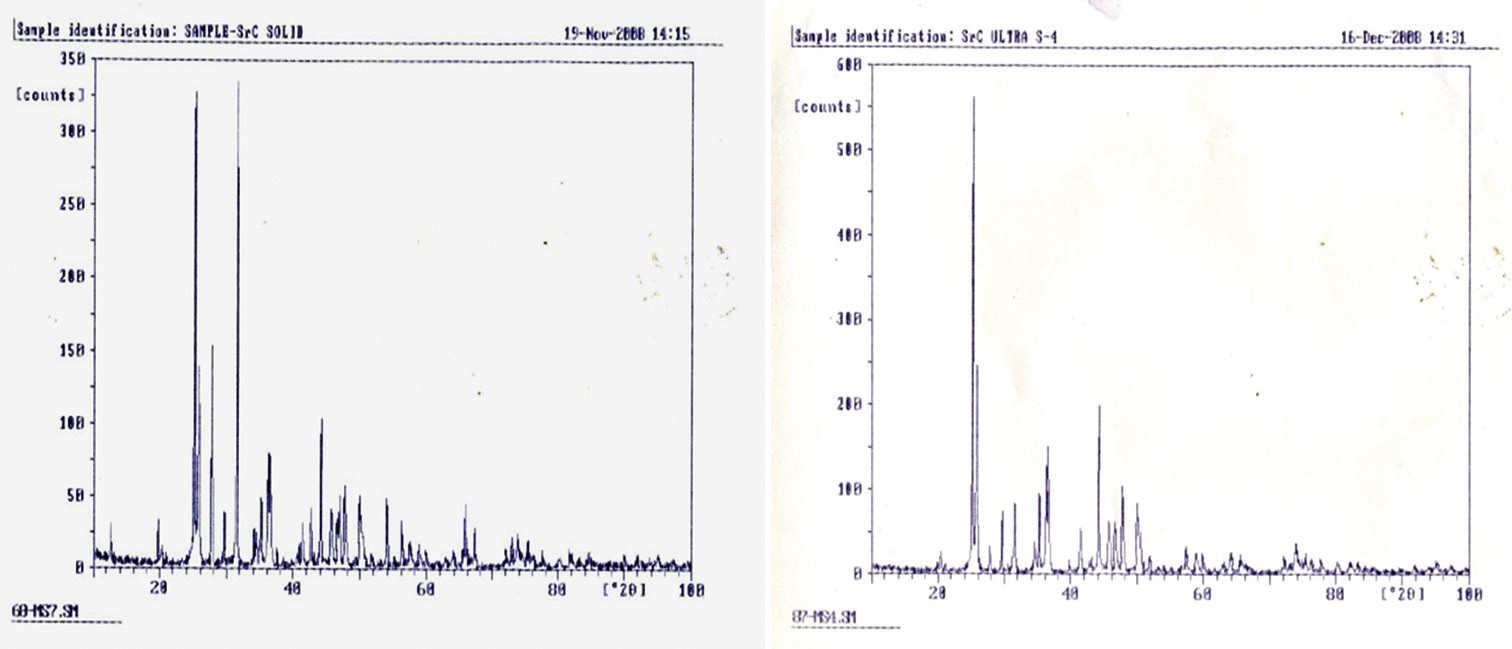
Strontium chromate is prepared by three different methods under various conditions from an application point of view. The
degradation was monitored by measuring the change in concentration of substrate as a function of the irradiation period using
spectroscopic techniques. The degradation of MB was studied using various factors including the type of photocatalyst, catalyst,
and substrate concentration. The degradation rate was found to be strongly influenced by all the above parameters. In the current
study, we will discuss the design and application of SrCrO4 for the degradation of MB under visible light irradiation. SrCrO4
prepared by the ultrasonic method was found to be more efficient as compared to the reflux method and solid-state methods.
Keywords
Methylene blue Nanocatalyst Photocatalyst Strontium chromate.References
No references available for this article.
Citation
S. R. Patil, T. S. Shrirame*. Development of a Visible Light-Active Nanocatalyst Based on Barite SrCrO4 for Efficient Methylene Blue Degradation. Indian J. Adv. Chem. Sci. 2024; 12(3):138-187 .